Common Causes of Concrete Foundation Damage
Homeowners seeking foundation damage repair often want to address issues caused by shifting soil, water leaks, or poor construction, and local contractors can provide expert solutions.
Understanding the common causes of concrete foundation damage is an important step for property owners looking to protect their investment. Factors such as soil movement, poor drainage, and fluctuations in moisture levels can all contribute to cracks, settling, or other structural issues over time. Recognizing these potential issues early can help homeowners and property managers decide when professional assessment and repair services are needed to maintain the stability of their structures.
For those in the area exploring foundation health, knowing the typical causes of damage can also guide preventative measures and prompt repairs. Local contractors experienced in foundation repair are equipped to address problems stemming from these common issues, ensuring that any damage is properly managed before it worsens. Continuing to read can provide valuable insights into how these causes develop and how trusted service providers can help preserve the integrity of a property’s foundation.
- When signs of shifting or cracking appear in a foundation, local contractors can assess and repair damage caused by common issues like soil movement or poor drainage. - If a foundation shows signs of settling or unevenness, service providers can evaluate the problem and implement solutions to stabilize the structure. - Water intrusion or excessive moisture around a foundation often leads to damage, and local pros can address drainage problems to prevent further issues. - Cracks or gaps in basement walls may result from soil expansion or contraction, with local contractors providing targeted repairs to restore stability. - When foundation damage is linked to tree roots or nearby vegetation, local service providers can remove obstructions and reinforce the foundation as needed.
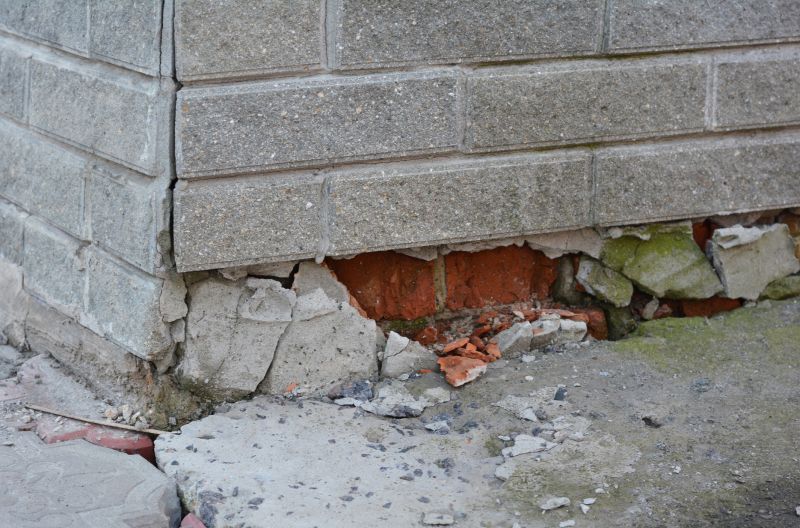
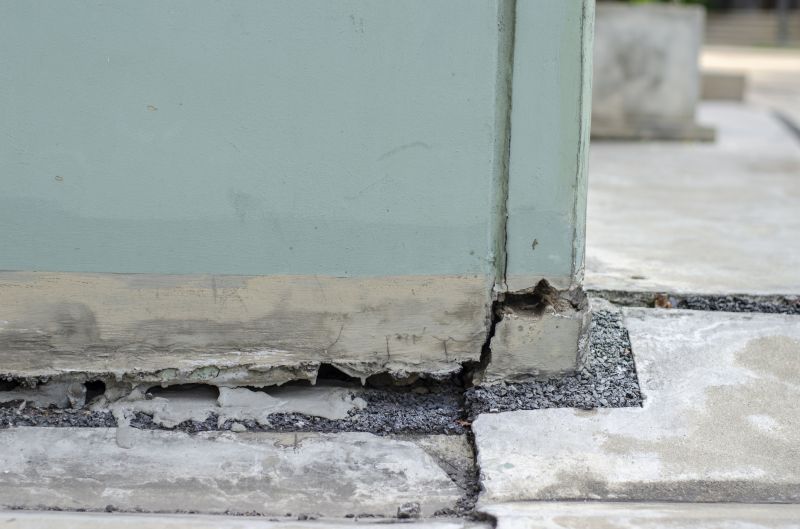
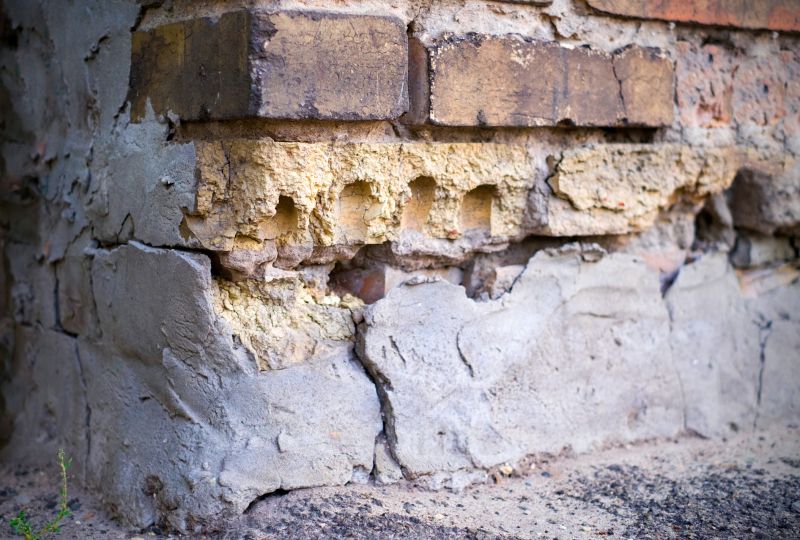
Understanding common causes of concrete foundation damage is essential for homeowners who notice signs of settling, cracking, or shifting in their property. When people search for this topic, they often want to learn about the underlying issues that lead to foundation problems, so they can better assess whether repairs are needed and how to prevent future damage. These causes are typically related to environmental factors, soil conditions, and construction practices that impact the stability of a foundation over time. Recognizing these common issues helps homeowners connect the dots between visible damage and the root causes, making it easier to plan repairs with the help of local contractors experienced in foundation repair.
Many foundation problems originate from changes in moisture levels around the property. For example, prolonged droughts or heavy rainfall can cause soil to shrink or swell, which puts pressure on the concrete and can lead to cracking or shifting. Poor drainage around the property can also contribute to water pooling near the foundation, increasing the risk of erosion or hydrostatic pressure that weakens the concrete. Additionally, improper grading or landscaping can direct water toward the foundation instead of away from it, exacerbating these issues. Understanding how moisture and drainage impact the foundation helps homeowners identify potential causes and work with local service providers to develop effective solutions.
Another common cause of concrete foundation damage involves soil conditions beneath the property. Expansive clay soils, for instance, can swell when wet and shrink when dry, causing the foundation to move. Similarly, loose or unstable soils may not provide adequate support, leading to settlement or sinking of the concrete. Construction on poorly compacted fill or disturbed soils can also create uneven support, resulting in cracks or uneven floors inside the property. These soil-related issues are often beyond a homeowner’s control but can be addressed effectively by local contractors who specialize in foundation stabilization and repair, ensuring the property remains structurally sound.
Properties most likely to experience foundation damage caused by these common factors include older homes, structures built on expansive clay soils, and properties with poor drainage or grading. Commercial buildings and multi-family complexes can also be affected if the soil conditions or water management practices are inadequate. Regardless of property type, understanding the typical causes of foundation damage helps homeowners recognize early warning signs and seek professional assistance. Local foundation repair service providers are equipped to evaluate these issues, diagnose the root causes, and recommend appropriate repairs to restore stability and protect the property’s long-term integrity.
Retaining wall construction - this project involves planning and building structures that require understanding soil pressure and drainage, similar skills used in diagnosing foundation issues caused by soil movement.
Drainage system installation - installing proper drainage solutions requires knowledge of soil and water flow management, which is essential when addressing water-related causes of foundation damage.
Concrete slab pouring - this type of work involves preparing and pouring concrete foundations, closely related to repairs and understanding how concrete responds to environmental factors.
Soil stabilization projects - stabilizing or improving soil conditions to prevent shifting or settling aligns with addressing foundation problems caused by soil movement or erosion.
Excavation and grading services - these services involve earthmoving techniques that are vital for correcting grading issues and improving foundation stability.
Waterproofing services - applying waterproofing solutions helps prevent water intrusion, a common cause of foundation damage related to moisture and poor drainage.
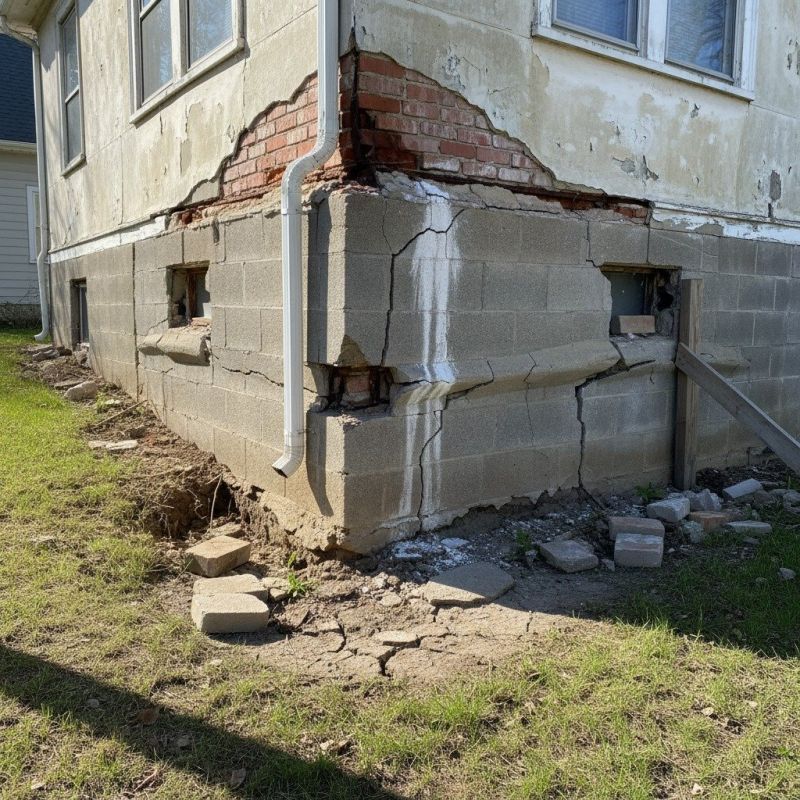
When comparing local contractors for foundation damage repair, it’s important to consider their experience with similar projects. Homeowners should look for service providers who have a proven track record handling issues related to common causes of concrete foundation damage, such as soil movement, poor drainage, or settling. An experienced contractor will have a better understanding of how these issues typically develop and the most effective repair methods, which can lead to more reliable and long-lasting results.
Clear written expectations are essential when evaluating foundation repair services. Homeowners should seek out service providers who can provide detailed explanations of the scope of work, the materials to be used, and the steps involved in addressing foundation issues. Having a well-defined plan helps ensure that both parties are aligned on project goals and reduces the chances of misunderstandings or surprises during the repair process.
Reputable references and effective communication are key factors in choosing the right local contractor. Homeowners can ask service providers for references from previous clients who had similar foundation problems. Additionally, good communication-marked by prompt responses, clarity, and a willingness to answer questions-can make the entire process smoother. These qualities often indicate a professional approach and a commitment to transparency, making it easier to select a reliable partner for foundation damage repair.
Property owners often search for common causes of concrete foundation damage when they are planning practical projects around their homes and businesses. Local pros provide Foundation Damage Repair services for everyday jobs and straightforward project options.
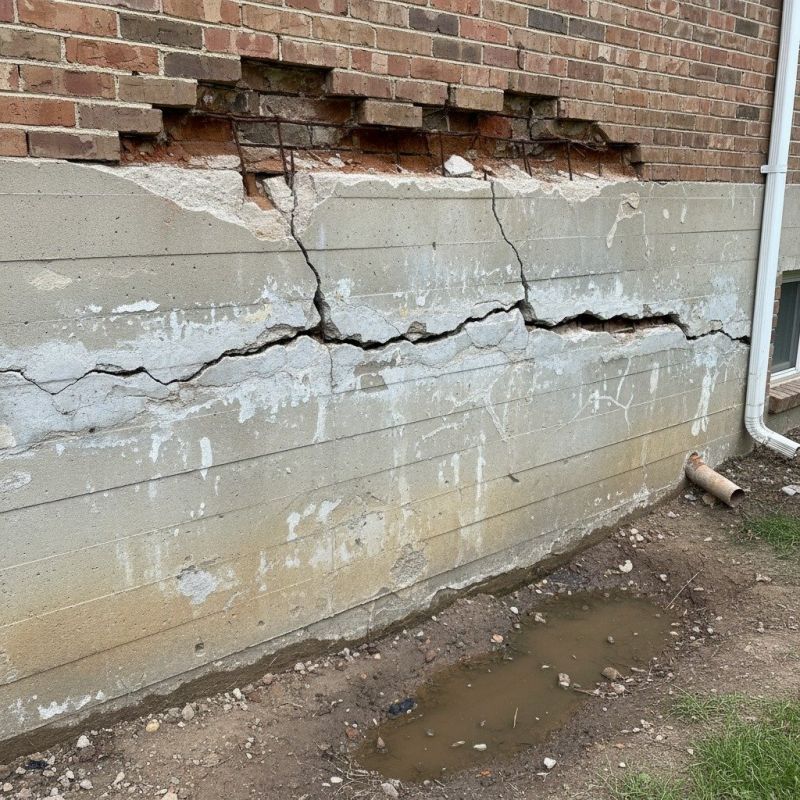
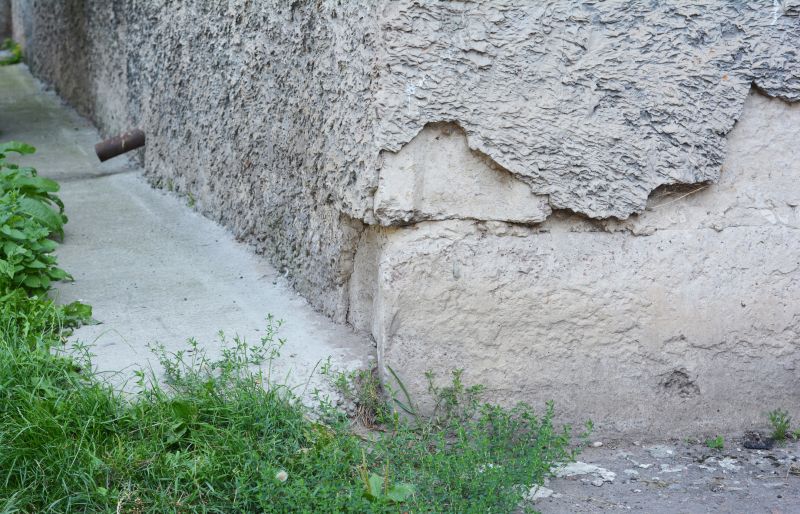
Understanding the common causes of concrete foundation damage can help property owners identify potential issues early on and seek timely repairs. In many cases, shifting soil conditions due to poor drainage or inadequate grading can lead to uneven pressure on the foundation, causing cracks or settling over time. Additionally, exposure to moisture-whether from plumbing leaks, poor drainage around the property, or heavy rainfall-can weaken the concrete and promote deterioration. Homeowners in the area often look into foundation repair services when they notice signs like cracking walls, sticking doors, or uneven flooring, as these issues frequently stem from underlying foundation problems caused by these everyday situations.
Property owners might also encounter foundation damage due to natural ground movements or seasonal changes, which can cause the soil beneath the foundation to expand or contract. Over time, this can lead to cracks or shifting that compromise structural integrity. In some cases, construction or landscaping projects nearby can disturb the soil or add extra weight, increasing the risk of damage. When these common causes are suspected, local contractors experienced in foundation repair can assess the situation and recommend appropriate solutions to restore stability. Connecting with knowledgeable service providers can help address foundation concerns before they develop into more costly or extensive repairs.
What are common causes of concrete foundation damage? Common causes include soil movement, poor drainage, and settlement issues that put stress on the foundation structure.
How does soil movement lead to foundation damage? Shifting or expanding soil can exert pressure on the foundation, causing cracks, settling, or uneven surfaces that require repair from experienced contractors.
Can poor drainage contribute to foundation problems? Yes, inadequate drainage can lead to water pooling around the foundation, increasing the risk of erosion, cracking, and other types of damage that local service providers can address.
What role does soil settlement play in foundation damage? Uneven soil settlement can cause the foundation to sink or shift, resulting in cracks and instability that local foundation repair specialists can help fix.
Are external factors like tree roots a cause of foundation damage? Yes, invasive tree roots can exert pressure or draw moisture away from the soil, leading to movement and damage that local contractors can repair effectively.
Poor drainage practices - property owners can evaluate and improve yard grading to prevent water from pooling around the foundation, reducing the risk of damage with help from local contractors.
Tree and shrub placement - avoiding planting large trees too close to the foundation can minimize root intrusion and soil movement, which local foundation repair services can address if issues arise.
Soil expansion and contraction - understanding seasonal soil shifts allows homeowners to work with local pros to implement proper drainage and soil stabilization techniques.
Cracks in concrete - noticing early signs of cracking can prompt timely repairs by local service providers, helping to prevent further foundation deterioration.
If you are thinking about common causes of concrete foundation damage for a property, this guide is meant to help you understand this topic, the typical project types, and how different options might fit your plans.
When you are ready, you can use the quote form on this page to share a few details about your project. From there, local pros can review the basics and follow up with options that match what you have in mind.